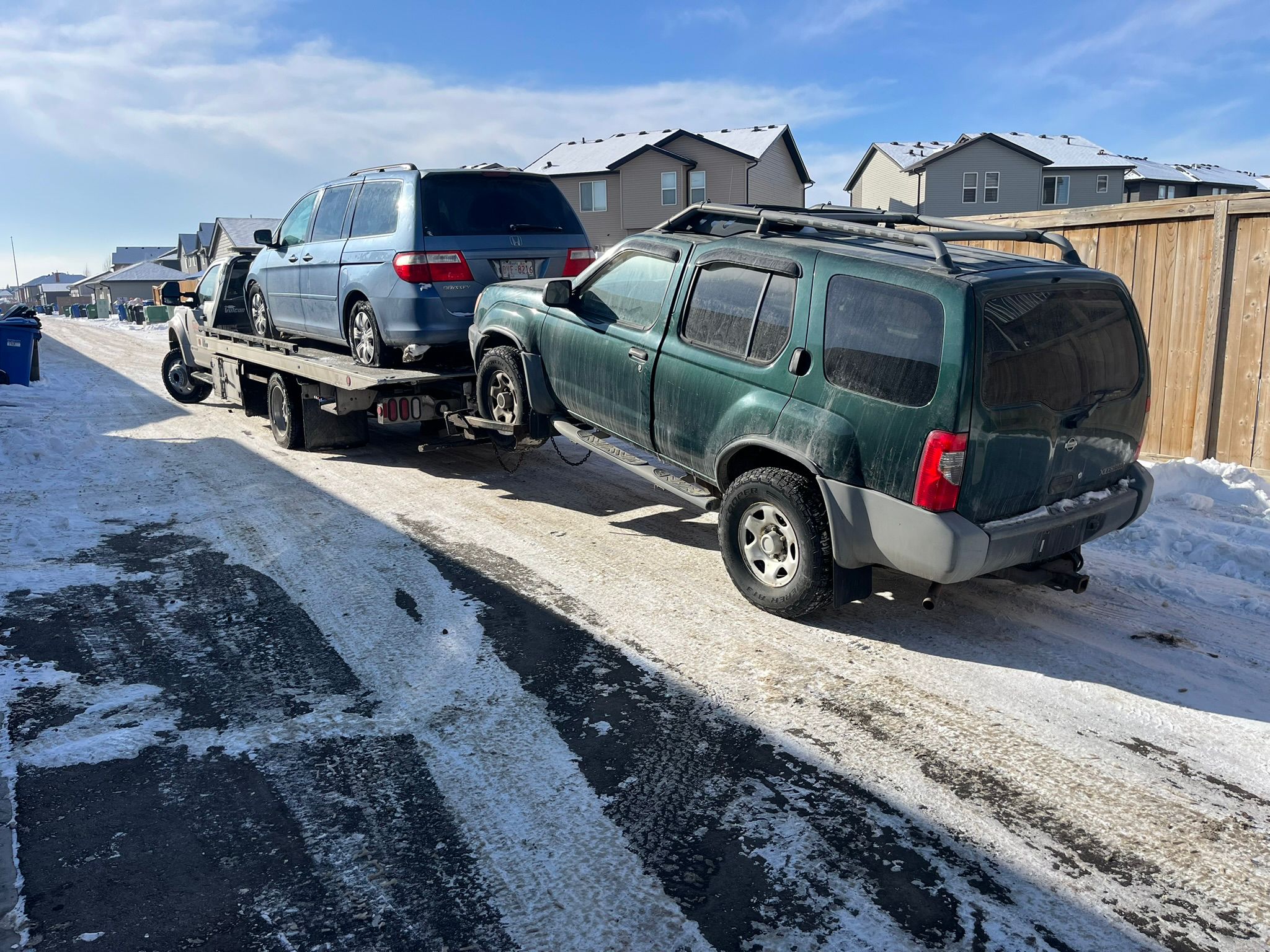
Compare your options, understand your car’s value, and arrange a smooth pickup.
The best way to dispose of an unwanted car in Calgary depends on its condition. A reliable vehicle may bring more money through a private sale. A damaged or non-running car may suit a cash for cars service. If repairs no longer make financial sense, scrap car removal is another practical option.
Before you decide, compare the likely payment, towing costs, paperwork, and time involved. The highest advertised offer is only useful if you know how much you will actually receive.
Eagle Cash For Cars buys unwanted vehicles in Calgary. Our services help owners sell cars, arrange collection, and clear space without organising a private sale.
What Is the Best Way to Get Rid of an Unwanted Car?
Choose the option that fits your vehicle and your priorities. If you want to maximise resale value, a private sale may be worth the effort. If you need a broken-down car collected, a buyer who arranges towing may be more convenient.
| Option | When it may suit you | What to check |
| Private sale | Your car runs reliably | Advertising time and payment arrangements |
| Dealer trade-in | You are buying another vehicle | The allowance offered |
| Cash for cars | You want a direct sale and pickup | Payment and towing terms |
| Auto recycling | Repairs are no longer worthwhile | Acceptance and processing arrangements |
| Vehicle donation | You want to support a charity | Eligibility and receipt conditions |
Compare Your Car Disposal Options in Calgary
Sell a Running Car Privately
A private sale can work well if your car is roadworthy and has useful life remaining. You set an asking price and negotiate directly with buyers.
You will need photos, an accurate description, and time for enquiries. Disclose known mechanical problems. Arrange safe viewings and agree on payment before handing over the vehicle.
Trade It In at a Dealership
A trade-in can simplify buying your next vehicle. The dealer assesses your old car and offers an allowance towards the purchase.
Compare that allowance with other offers. Ask whether the dealer will accept your vehicle in its current condition, especially if it does not run.
Sell It to a Cash for Cars Buyer
A cash for cars service offers a direct route to selling an unwanted vehicle. You share the details, review an offer, and arrange collection.
This option can suit owners who want to avoid listings and repeated viewings. Confirm the final payment, towing terms, and any conditions that could change the quote.
Arrange Auto Recycling
Auto recycling may suit an end-of-life vehicle with little practical resale value. Reusable components and recoverable metals can still have value.
Ask the buyer where the vehicle will go and how it will be processed. Confirm collection arrangements before accepting an offer.
Donate Your Vehicle
Vehicle donation may suit owners who prefer to support a charity. Programmes differ in the vehicles they accept and how they arrange collection.
Check any fees and tax receipt conditions directly with the programme. Do not assume the receipt will equal the car’s private-sale value.
Should You Repair, Sell, or Scrap Your Car?
Compare the repair bill with the car’s realistic value before spending more money.
A minor repair may help a reliable vehicle sell. Major engine or transmission work could cost more than you recover. Consider other problems that may need attention soon.
Scrapping may be practical when your car has:
- Repeated breakdowns.
- Serious mechanical damage.
- Extensive corrosion.
- Collision damage that is costly to repair.
- Repair costs that outweigh its likely value.
Age alone does not make a car scrap. An older vehicle that runs well may still attract buyers. Likewise, hail damage can affect appearance without making the vehicle unusable.
How Much Is Your Unwanted Car Worth?
Your unwanted car’s value depends on its condition, remaining use, and recoverable components.
Buyers commonly assess:
- Year, make, and model.
- Mileage and running condition.
- Engine and transmission problems.
- Body damage and corrosion.
- Missing parts.
- Demand for reusable components.
- Vehicle weight and scrap metal prices.
- Pickup location and access.
Describe the vehicle accurately. Mention missing wheels, removed components, or damage that could affect loading.
Use our car value calculator for an initial estimate. Then request a confirmed offer based on your vehicle’s details. An online estimate helps you compare options, but it is not the same as an agreed purchase price.
What Paperwork Should You Prepare in Alberta?
Prepare your ownership information and the sale documents appropriate to your transaction.
Have the vehicle identification number, or VIN, available. Gather your registration information and any identification the buyer requests. If money is still owing on the car, speak with your lender before arranging the sale.
Alberta distinguishes between a standard bill of sale for private transactions and a comprehensive bill of sale used by automotive businesses. Check that the paperwork suits your transaction.
Review the buyer and seller details, vehicle information, agreed price, and signatures. Keep a signed copy for your records.
Before collection, confirm your licence plate and registration arrangements with a registry agent. Contact your insurer about changing or cancelling coverage at the appropriate time.
How to Prepare Your Car for Collection?
Remove your belongings and make the vehicle accessible before the tow truck arrives.
Use this pickup checklist:
- Check the cabin, boot, glovebox, and storage compartments.
- Remove personal documents and parking passes.
- Clear saved addresses and paired devices where possible.
- Gather keys and agreed paperwork.
- Clear a safe route to the vehicle.
- Confirm payment and collection details.
Tell the buyer if the car is in an underground parkade, has flat tyres, or cannot roll. Locked steering and missing wheels can also affect loading. Sharing these details helps the driver bring suitable equipment.
What Happens to a Car After Removal?
The next step depends on the car’s condition and the buyer’s arrangements. A usable vehicle may be resold. An end-of-life car may go through dismantling, parts recovery, and metal recycling.
Ask how fluids, batteries, tyres, and other components will be handled. Responsible vehicle disposal involves more than removing the car from your driveway.
Calgary’s scrap-metal guidance covers items such as car parts. Confirm whole-vehicle disposal arrangements with a vehicle buyer or auto recycler.
Common Mistakes to Avoid When Disposing of a Car
Check the full offer before agreeing to sell. Towing charges or other deductions can affect what you receive.
Avoid leaving belongings behind, overlooking outstanding finance, or accepting unclear payment terms. Keep your sales records and describe the car honestly.
Before paying for repairs, compare the likely improvement in value with the cost. You may be better served by selling the vehicle in its current condition.
Ready to Remove Your Unwanted Car in Calgary?
Start with a quote based on your car’s condition. Eagle Cash For Cars can discuss your options and arrange pickup after you accept an offer. We make the sale and collection details clear so you can decide whether our service fits your needs.
Share your vehicle details and Calgary pickup location to take the next step.